
Podcast: Play in new window | Download | Embed
Would you rather read the transcript? Click here.
In this episode, I sit down with Sara Woods to challenge the traditional, deficit-heavy lens of autism diagnostics and explore what it means to practice in a truly neurodiversity-affirming way. We discuss the shift from seeing autism as a collection of clinical “problems” to recognizing it as a natural variation of the human brain that brings unique strengths, such as integrity, systemizing, and deep focus. Sara shares her research-backed insights on why “repetitive behaviors” can be vital for regulation and how the “double empathy problem” reframes communication difficulties as a two-way street rather than an individual failure. We also dive into concrete tools for clinicians, including her Survey of Autistic Strengths, Skills, and Interests (SASSI), and practical tips for writing reports that validate a client’s struggles while celebrating their humanity and joy.
Episode Topics
- 00:01-01:38 Why direct experience and neurodiversity matter beyond the textbook
- 01:39-05:00 Defining the neurodiversity paradigm and patient-led care
- 05:01-07:43 How differential diagnosis can be empowering rather than pathologizing
- 07:44-10:43 Reframing repetitive play as a foundation for cognitive development
- 10:44-12:52 Reconsidering eye contact through the lens of cultural difference
- 12:53-16:15 Integrity versus reputation management in autistic individuals
- 16:16-19:00 The functional purpose of stimming and sensory regulation
- 19:01-21:37 Navigating societal expectations and the choice to disclose
- 21:38-26:15 The double empathy problem and communication in mixed groups
- 26:16-31:06 Balancing the “superpower” narrative with authentic support
- 31:07-34:00 Frameworks for accommodations: Strengths, difficulties, and neutral differences
- 34:01-38:58 Introduction to the Survey of Autistic Strengths, Skills, and Interests (SASSI)
- 38:59-42:15 Specific interviewing strategies for eliciting joy and strengths
- 42:16-46:30 Adapting the assessment battery and the role of the ADOS
- 46:31-52:00 Writing affirming reports and the use of first-person language
- 52:01-56:30 Leveraging special interests in recommendations and school settings
- 56:31-01:01:20 Validating distress while maintaining a strengths-based perspective
Cool Things Mentioned
- The Testing Psychologist mastermind groups and business consulting
- Reverb AI-powered report-writing software
- Sara’s upcoming talk: Autism or Something Else? Avoiding Misdiagnosis in Neurodiversity-Affirming Assessment Across the Lifespan – The Chicago School | Office of Continuing Education (Time-Limited Code for 15% OFF: TestingPsych2026)
- Neurodiversity-Affirming Observation Form
- Autistic Strengths Diagram
- Survey of Autistic Strengths Skills and Interests
- Suggested Autism Batteries across the lifespan
- Helpful Articles:
- Toward a More Comprehensive Autism Assessment: Article on the SASSI: Frontiers | Toward a more comprehensive autism assessment: the survey of autistic strengths, skills, and interests
- Neurodiversity 2.0 Article by Hari Srinivasan: Neurodiversity 2.0 – Harnessing cross-disciplinary disability insights – ScienceDirect
- The Neurodiversity Paradigm According to Nick Walker: NEURODIVERSITY: SOME BASIC TERMS & DEFINITIONS • NEUROQUEER
- Ideas for Identifying Autistic Strengths Using the ADOS-2: https://asha2024-asha.ipostersessions.com/?s=7F-36-58-FD-20-58-05-C5-E0-D3-C1-14-74-B4-C5-BE
- Girard et al. study on Autistic Play: Visual abilities and exploration behaviors as predictors of intelligence in autistic children from preschool to school age – Dominique Girard, Valérie Courchesne, Catherine Cimon-Paquet, Claudine Jacques, Isabelle Soulières, 2023
- Granieri et al. study on Reduced eye contact being preferred among Autistic children: Atypical social communication is associated with positive initial impressions among peers with autism spectrum disorder – Jessica E Granieri, Morgan L McNair, Alan H Gerber, Rebecca F Reifler, Matthew D Lerner, 2020
- Crompton et al. Telephone Study: Autistic peer-to-peer information transfer is highly effective – Catherine J Crompton, Danielle Ropar, Claire VM Evans-Williams, Emma G Flynn, Sue Fletcher-Watson, 2020
- Hu et al. Reputation Study in which ethical consistency was framed as a problem: https://www.jneurosci.org/content/early/2020/11/02/JNEUROSCI.1237-20.2020?__cf_chl_tk=7KPu3hAVr6Rw_clfWWSLepcckNZdODcVgO_m94bHv6s-1770332980-1.0.1.1-.glkRotgLSe7lLFvTGYt5qjLBjaHIKk8XNOMroF3c_4
- Kapp et al. Stimming Study: ‘People should be allowed to do what they like’: Autistic adults’ views and experiences of stimming – Steven K Kapp, Robyn Steward, Laura Crane, Daisy Elliott, Chris Elphick, Elizabeth Pellicano, Ginny Russell, 2019
- Woods, Brook, & Angoff Neurodiversity-Affirming Collaborative Assessment Article: Principles of Neurodiversity-Affirming Collaborative Assessment – Sara Eileen O’Neil Woods, Amara Brook, Liz Angoff, 2025
- Autism-Related Resources
- Thinking Person’s Guide to Autism: Strategies for Creating a Neurodiversity-Affirming Classroom: How to Create a Neurodiversity-Affirming Classroom — THINKING PERSON’S GUIDE TO AUTISM
- Subtle Signs of Autism: Could Your Child Be Autistic? Here Are Seven Subtle Signs.
- Talking to Your Child About Their Autism Diagnosis: 13 Tips for Talking to Your Child About Their Autism | ParentMap
- Outschool: Online classes for children that help them find other neurodivergent children and include classes with their special/foused interests: www.outschool.com
- Autistic Self-Advocacy Network: Autistic Self Advocacy Network
- Additional Neurodiversity Resources from the University of Washington Autism Center: Neurodiversity – UW Autism
Featured Resources
TherapyNotes is the leading EHR system for mental health practitioners. I’ve used TherapyNotes for over 10 years, and it just keeps getting better. Use this link and the promo code “testing” to get two free months and try it for yourself! www.therapynotes.com/testing
The Testing Psychologist podcast is approved for CEU’s!
I’ve partnered with At Health to offer CE credits for podcast episodes! Visit this link to access current and past episodes available for CE credit. You can use code “TTP10” for a discount on ALL the course credits you purchase from At Health!
About Dr. Sara Woods
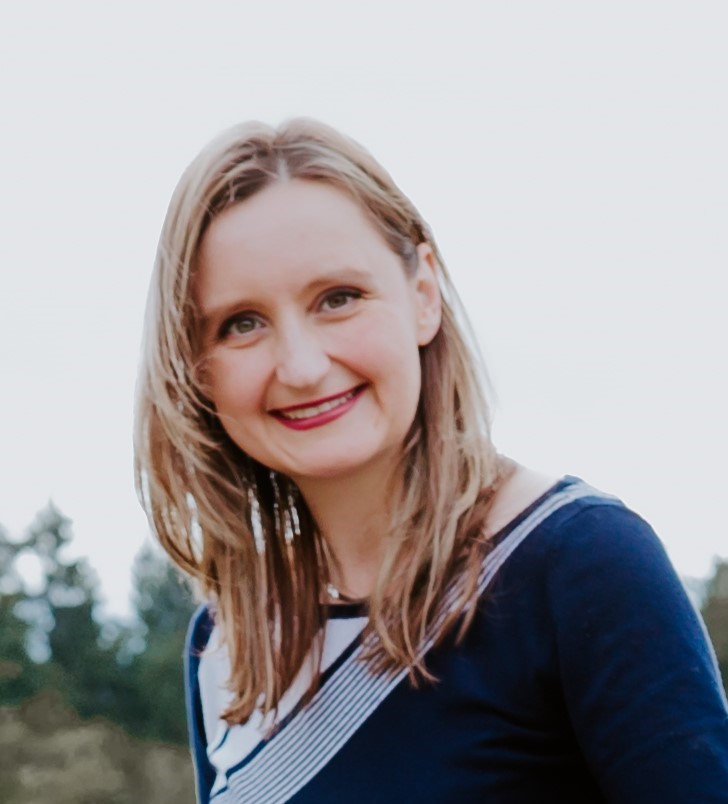
Dr. Woods is a clinical psychologist who specializes in assessment across the lifespan at the University of Washington Autism Center and in private practice at Discover Psychology Services. She has been licensed as a psychologist for over 10 years. She offers continuing education training and consultation to other psychologists, providers, and graduate students to help them better understand how to complete evidence-based assessments in a neurodiversity-affirming and strengths-based ways. She is passionate about bringing communities together to better understand autism, ADHD, Bipolar, and other types of neurodivergence.
Get in Touch & Resources:
- Website: www.laceypsychology.com
- Email: drsara@discoverpsychservices.com
- Website: https://depts.washington.edu/uwautism/about/clinical-staff/
About Dr. Jeremy Sharp

I’m a licensed psychologist and Clinical Director at the Colorado Center for Assessment & Counseling, a private practice that I founded in 2009 and have grown to over 20 clinicians. I earned my undergraduate degree in Experimental Psychology from the University of South Carolina before getting my Master’s and PhD in Counseling Psychology from Colorado State University. These days, I specialize in psychological and neuropsychological evaluation with kids and adolescents.
As the host of the Testing Psychologist Podcast, I provide private practice consulting for psychologists and other mental health professionals who want to start or grow psychological testing services in their practices. I live in Fort Collins, Colorado with my wife (also a therapist) and two young kids.
Ready to grow your testing services? Click below to join our Waitlist!